Forestdale Primary School
Believe - Aspire - Excel
Announcements
Nursery
Foundation Stage Ethos
In the foundation Stage we encourage children to make choices, problem solve and think critically. Through continuous provision we encourage children to become independent learners and nurture their interests through enhancements within the environment. Staff observe and record children’s achievements, and work together to ensure next steps are taken. Each child’s progress is recorded in their Learning Journey which is shared with both parents, children and the Senior Leadership team.
Welcome to Nursery
Nursery Sessions run from Monday to Wednesday 8.40am-3.10pm with
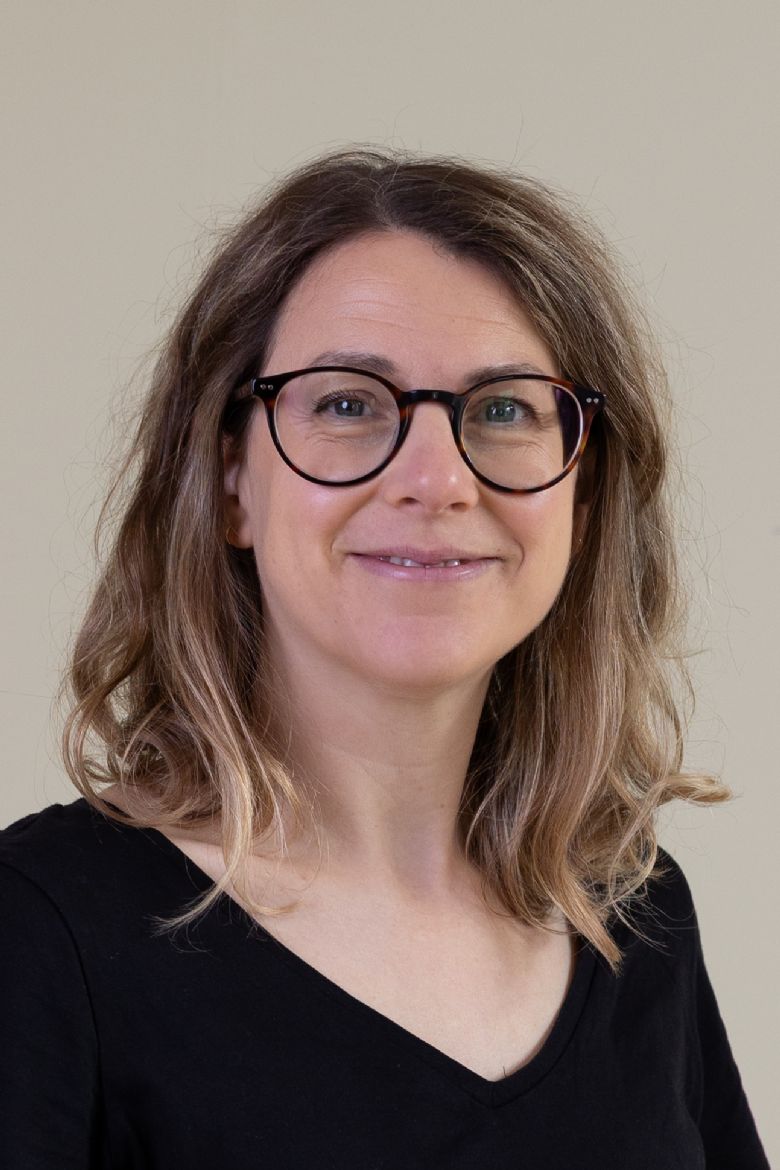
Mrs Quayle, Mrs Pedley and Mrs Heath
Nursery - Learning at Home
We know that young children learn best through play, everyday experiences and time spent talking and interacting with the people around them. The activities and resources below are designed to support your child's learning at home in a fun and practical way.
These ideas link to the Early Years Foundation Stage (EYFS) and focus on developing:
- Communication and Language
- Personal, Social and Emotional Development
- Physical Development
- Early Mathematics
- Phase 1 Phonics (Listening and Sound Awareness)
Communication and Language
Talking, listening and sharing stories are essential skills for young children.
You can support your child by:
- Talking about what you are doing during daily routines
- Asking simple questions and giving your child time to answer
- Sharing stories, rhymes and songs every day
Useful activities and resources:
Personal, Social and Emotional Development
Children learn important skills such as sharing, taking turns and managing feelings through play and relationships.
You can help by:
- Encouraging independence (putting on coats, tidying toys)
- Talking about feelings and naming emotions
- Playing games that involve turn-taking
Useful resources:
- Role play with toys such as dolls, cars or animals
Physical Development
Physical development helps children build strength, coordination and control, which supports their independence, confidence and later skills such as writing.
Gross motor skills involve large movements using the arms, legs and whole body.
You can support these skills by:
- Running, jumping, climbing and balancing outdoors
- Playing ball games such as throwing, catching and kicking
- Dancing to music and joining in with action songs
Fine motor skills involve smaller movements using hands and fingers, which are important for tasks like holding a pencil.
You can help develop fine motor skills by:
- Drawing, colouring and painting
- Playing with playdough (rolling, squeezing, pinching)
- Using tools such as spoons, tongs, pegs or child-safe scissors
- Completing puzzles and threading activities
Useful activities and resources:
Early Mathematics
Early maths is about developing an understanding of numbers, patterns, shapes and measures through everyday experiences.
You can support learning by:
- Counting toys, steps or snacks
- Talking about shapes you see around you
- Using words like big, small, full, empty, more and less
Useful activities and resources:
Phase 1 Phonics - Listening and Sound Awareness
Phase 1 phonics focuses on listening skills and awareness of sounds, which are vital foundations for reading.
You can help by:
- Listening for environmental sounds (cars, birds, clocks)
- Playing sound-matching games
- Joining in with rhymes, songs and action songs
Useful resources:
- Musical instruments or homemade shakers to explore different sounds
Awards
Awards we have received so far.